Posts filed under ‘community supported agriculture’

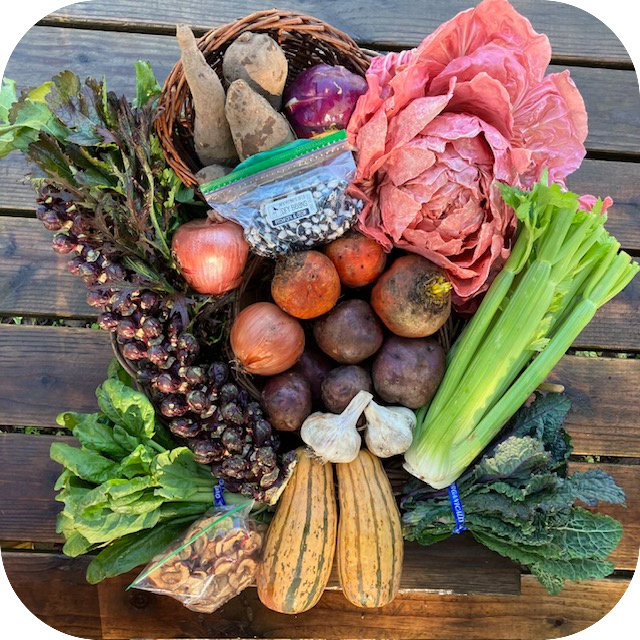
csa share – week 1 {may 21}

csa share week 1

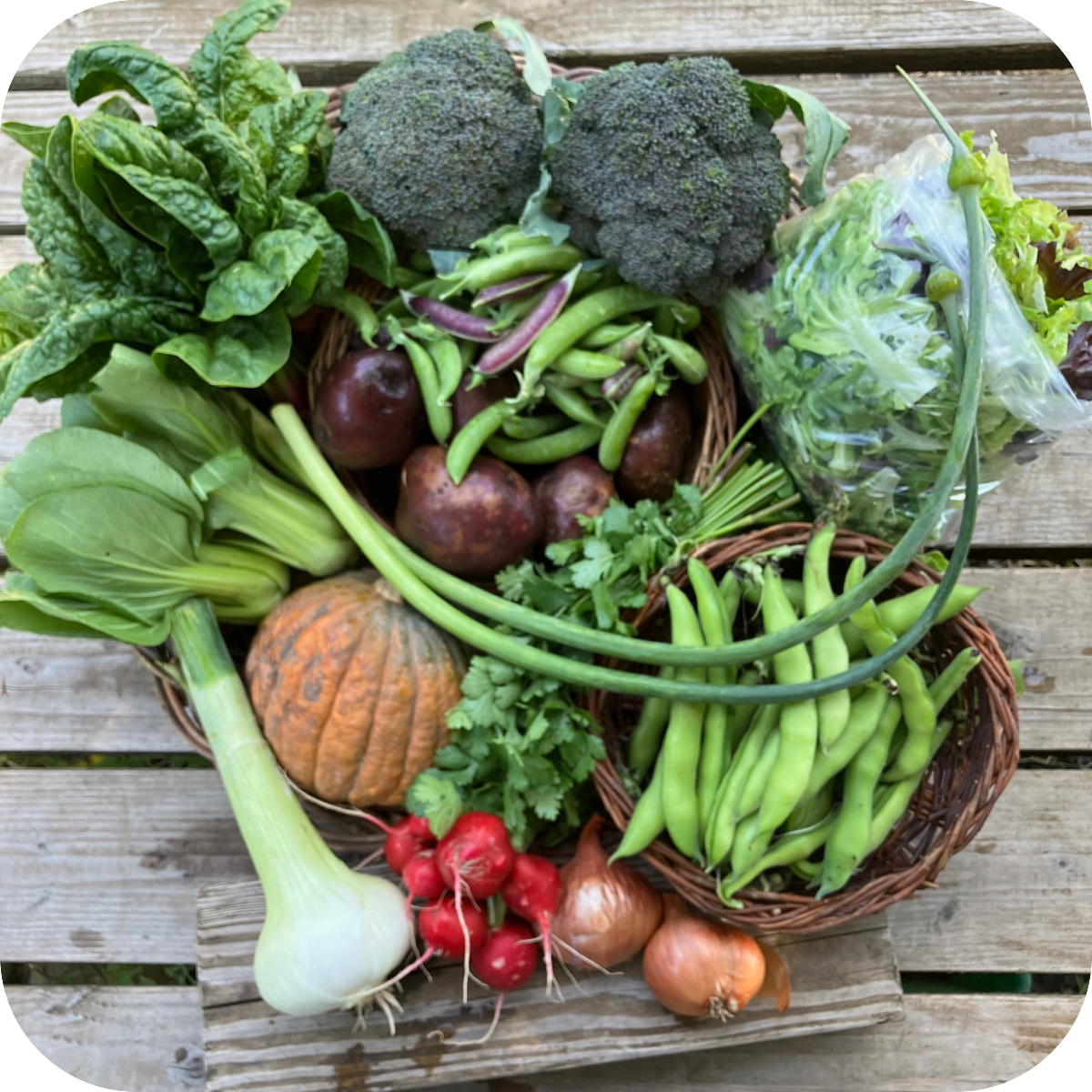
Welcome to the 1st week of the Pitchfork & Crow 2013 CSA!

Here’s what’s in the share:

  • Cabbage
  • Baby Fennel
  • Leeks
  • Radishes
  • Salad Mix – a mix of leaf lettuces, a little arugula, and a sprig of pea shoots!
  • Potatoes – German butterballs!
  • Salad Turnips

Welcome to the fourth season of the Pitchfork & Crow CSA!  We’re looking forward to a fantastic year and we’re excited you’ve all decided to join us for the next 28 weeks of eating seasonally!  We’re starting out small this week, but don’t worry!  The weekly shares will be spilling out of your refrigerator before you know it.

We’re excited to welcome back returning members and to welcome many new members.  We’ve grown the CSA from 50 members last year to 70 members this year which is enough of a leap that we’ll be seeing quite a few new faces at the pick-ups.  We’re also happy to say that we’ve filled the CSA program!  We’re consistently humbled by your support of our farm and we’re working hard to make sure this will be a great season.

Of course in addition to 28 weeks of tasty veggies, we’re already looking forward to the on-farm events.  We’ll host an early season tour and potluck in late June so you can visit the farm and see your vegetables growing in the fields.  In August we’ll invite you back out for another potluck in the height of the growing season and in October we’ll have the annual pumpkin patch and apple cider pressing day.  We love inviting members out to the farm and we’re thinking up some new activities for these farm visits. Let us know if you have any suggestions!

So, here we go!  In future newsletters we’ll give you updates on the growing season and goings-on at the farm as well as suggestions for how to tackle the less well-known veggies.  This week we’ve got some tasty ideas for radishes and fennel in the recipe section at the bottom of the page.  You can also keep up with us on Facebook and Flickr if you’re into that sot of thing.  See the links in the sidebar to the right.  We hope you enjoy the veggies and we’ll see you here again next week!

Your farmers,
Jeff Bramlett and Carri Heisler
.

Here are a few recipes to get you inspired:

Potato, Leek, and Fennel Soup

  • 2 tablespoons (1/4 stick) butter
  • 2 cups sliced leeks (white and pale green parts only)
  • 2 cups sliced fennel bulb, fronds reserved for garnish
  • 4 14 1/2-ounce cans low-salt chicken broth
  • 2 pounds red-skinned potatoes, peeled, cut into 1/2-inch pieces (about 4 cups)
Melt butter in heavy large pot over medium-high heat. Add leeks and fennel and sauté until leeks are translucent, about 7 minutes. Add broth and potatoes and bring to boil. Reduce heat to medium-low. Simmer soup until potatoes are very tender, about 25 minutes. Working in batches, purée soup in blender. Return to same pot. Rewarm soup if necessary. Season with salt and pepper. Ladle soup into bowls; garnish with reserved fennel fronds and serve.

From Epicurious via Bon Appétit, by Jeanne Silvestri, http://www.epicurious.com/recipes/food/views/Potato-Leek-and-Fennel-Soup-100957
.

Radish-Cabbage Coleslaw

  • 1 1/2 pound cabbage, cored and thinly sliced (6 cups)
  • 2 1/2 teaspoons salt
  • 2 tablespoons olive oil
  • 3 tablespoons red-wine vinegar
  • 1 1/2 tablespoons honey mustard
  • 1/4 teaspoon black pepper
  • 5 radishes, thinly sliced

Toss cabbage with salt in a large bowl and let stand, stirring occasionally, 20 minutes.

Meanwhile, whisk together oil, vinegar, honey mustard, and pepper in a small bowl until combined.

Rinse cabbage with cold water in a colander, then firmly squeeze handfuls to remove excess water and transfer cabbage to cleaned bowl. Add radishes and dressing to cabbage, tossing to combine.

.

Pickled Radishes

  • 10 red radishes, trimmed, unpeeled, quartered
  • 10 garlic cloves
  • 1 teaspoon whole black peppercorns
  • 2 cups distilled white vinegar
  • 1 teaspoon kosher salt
  • 1 teaspoon sugar

Combine first 3 ingredients in a clean 1 quart glass jar. Add vinegar, salt, and sugar. Cover; shake until sugar and salt begin to dissolve. Refrigerate for at least 3 days, shaking once a day. DO AHEAD: Can be made 1 month ahead. (The flavor mellows the longer the mixture pickles.) Keep chilled.

From Epicurious via Bon Appétit, by Eric Werner, http://www.epicurious.com/recipes/food/views/Pickled-Radishes-366455

May 21, 2013 at 12:34 pm Leave a comment

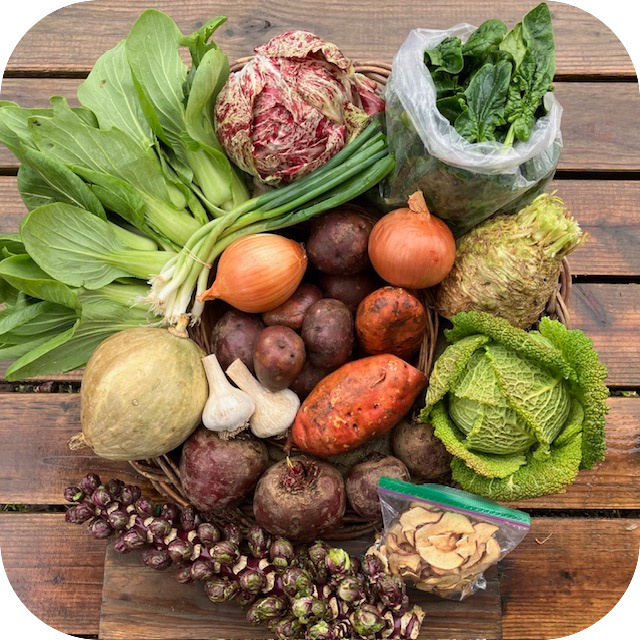
winter csa share – week 12 {may 7}

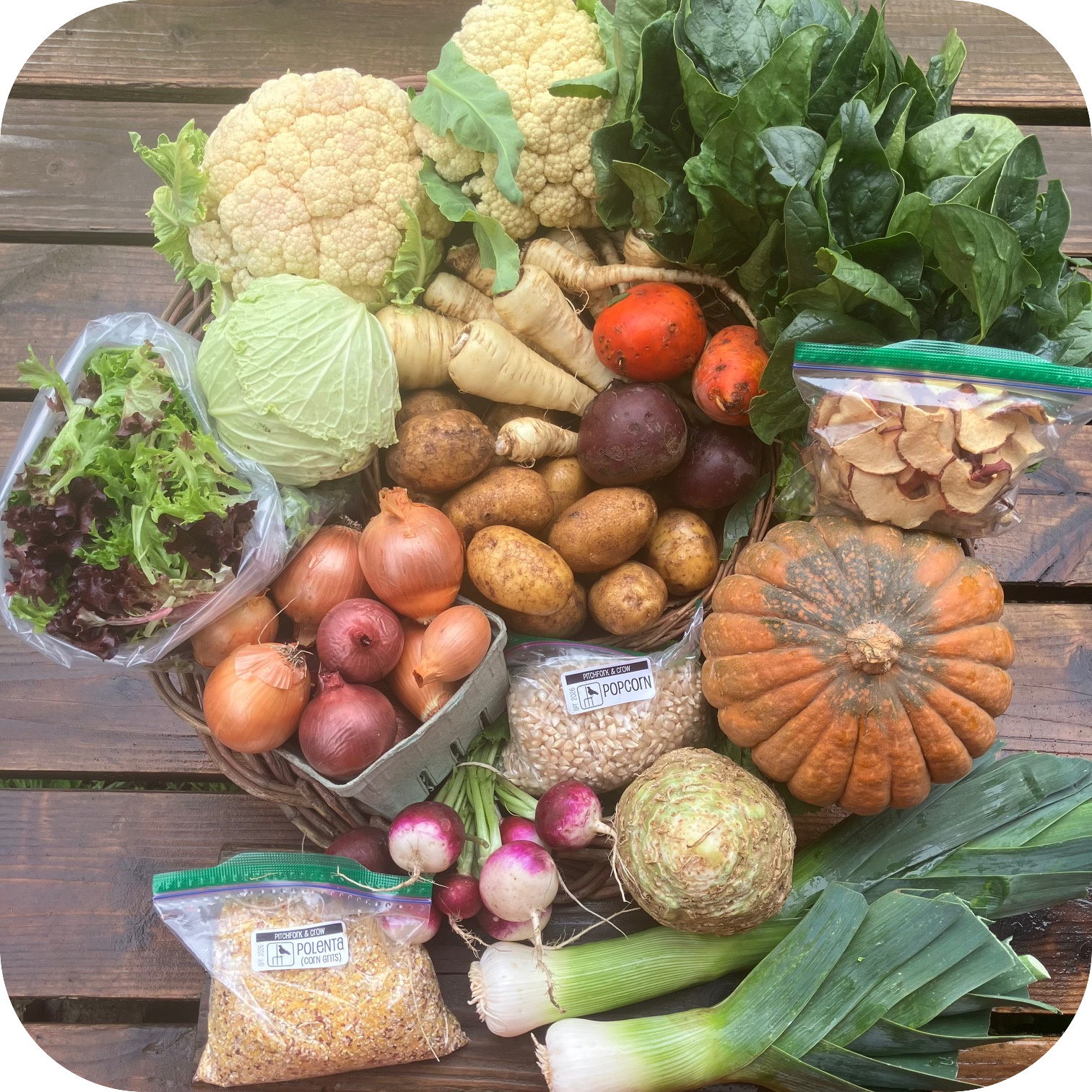
winter csa share week 12

Welcome to the 12th week of the Pitchfork & Crow Winter CSA!

Here’s what’s in the share:

  • Arugula
  • Radishes – French Breakfast
  • Cooking Greens – a mix of kales, kale rapini, and chard!
  • Potatoes – Fingerlings
  • Pea Shoots! – We suggest eating the tops of these as the ends can get a little woody.
  • Spring Onions
  • Cauliflower
  • Baby Fennel
  • Delicata Winter Squash

We’ve made it to the end of our first winter CSA season!  Many thanks to all of you who chose to join us for the past 5 plus months.  We hope you enjoyed the extended season as much as we did.  Most of you have decided to stick with us when the Summer CSA begins in a couple of weeks, so I’m guessing the winter program treated you well.  We’re planning on doing it up again next winter.  Stay tuned for the details later this summer.

If you’re on our market email list, or you check in on this blog on non-CSA weeks, you likely already know that the past couple of weeks we’ve been busy planting, planting, planting!  We have just one more major planting push before we’re caught up.  By the end of the week we’ll have the allium field planted out and hopefully the onions, shallots, and leeks will all be happier for it.  We’ll be happy when it’s over!

early may prop house2

Before long we’ll be ready to plant out summer squash, winter squash, melons, and cucumbers and then tomatoes, peppers, and eggplants after that.  We have to keep reminding ourselves that despite the weather it really is early May and things are generally on schedule as planned.  Of course we are irrigating a lot more than we’ve had to the past few springs.

As the Winter CSA comes to a close, we find ourselves evaluating the past seasons and looking ahead towards the coming seasons.  Did we have enough in storage this year, have we planned enough for next year?  Were there major issues this year that we may be able to plan around next year?  We’d love to hear your thoughts on how the winter program was for you and if you have any suggestions for improvements we’d love to hear those too!  Shoot us an email if you have anything to share.

Enjoy the vegetables!  Thanks again to all of you who joined us, and we’ll see most of you in two weeks for the summer season!

Your farmers,
Jeff Bramlett and Carri Heisler
.

Here are a few recipes to get you inspired:

To Stir-Fry Pea Shoots

  • 1 pound mature pea shoots, rinsed and drained
  • 2 tablespoons vegetable oil
  • 3 garlic cloves, smashed with the flat side of knife
  • 1/4 teaspoon dried hot red pepper flakes
Heat vegetable oil in a wok or large heavy skillet over high heat until surface of oil ripples. Add smashed garlic cloves and dried hot red pepper flakes, then stir-fry until garlic is pale golden. Toss in shoots and stir-fry until wilted and tender, 4 to 5 minutes.

From Epicurious via Gourmet, http://www.epicurious.com/recipes/food/views/To-Stir-Fry-Pea-Shoots-105045
.

Arugula Salad with Oranges and Caramelized Fennel

  • 2 large fresh fennel bulbs, trimmed, each cut vertically into 12 wedges with some core attached
  • 6 fresh thyme sprigs
  • 6 tablespoons extra-virgin olive oil, divided
  • 1/4 cup Sherry wine vinegar
  • 1 tablespoon Dijon mustard
  • 4 oranges, all peel and white pith cut away, halved vertically, thinly sliced crosswise
  • 2 5-ounce packages baby arugula

Preheat oven to 400°F. Combine fennel wedges, thyme, and 4 tablespoons oil in large bowl; toss to coat. Arrange fennel, cut side down, on large rimmed baking sheet. Sprinkle with salt and pepper. Roast until fennel is tender and brown, turning once, about 40 minutes. Discard thyme sprigs. DO AHEAD: Can be made 2 hours ahead. Let stand at room temperature.

Whisk vinegar, mustard, and 2 tablespoons oil in large bowl. Season dressing with salt and pepper. Add fennel, orange slices, and arugula. Toss to coat. Transfer salad to large shallow bowl.

.

Sauteed Flank Steak with Arugula and Roasted Cauliflower and Red Peppers

  • 1 large head cauliflower (2 1/2 lb), cut into 1 1/2-inch-wide florets (8 cups)
  • 2 lb red bell peppers (about 5), cut into 1-inch squares
  • 4 large garlic cloves, peeled
  • 1 1/2 tablespoons extra-virgin olive oil
  • 2 teaspoons chopped fresh thyme
  • 1 1/2 teaspoons salt
  • 1 1/2 teaspoons coarsely ground black pepper
  • 1 (1-lb) piece flank steak, halved lengthwise (along the grain)
  • 1/2 tablespoon vegetable oil
  • 3 oz baby arugula
  • 1/2 cup fat-free reduced-sodium chicken broth
  • 2 teaspoons red-wine vinegar, or to taste
Put oven rack in upper third of oven and preheat oven to 500°F.Toss cauliflower, bell peppers, and garlic with olive oil, 1 teaspoon thyme, 1 teaspoon salt, and 1/2 teaspoon pepper in a large bowl. Spread in a large shallow baking pan (at least 15 by 10 inches) and roast, turning over once or twice, until vegetables are tender and slightly charred, 25 to 30 minutes.While vegetables roast, heat a dry 10-inch heavy skillet (not nonstick; preferably cast-iron) over moderately high heat until hot, about 3 minutes. Meanwhile, stir together remaining teaspoon thyme, teaspoon pepper, and 1/2 teaspoon salt in a small bowl. Pat steak dry and rub both sides with thyme mixture.

Add vegetable oil to hot skillet, then add steak and sauté, turning over once, 5 to 7 minutes total for medium-rare. Transfer to a cutting board and let stand, loosely covered with foil, 5 minutes.

Reserve roasted garlic cloves and 1 cup roasted bell peppers. Toss arugula with remaining roasted vegetables in pan to wilt, then transfer to a platter.

Blend reserved garlic and bell peppers with broth, vinegar, and salt and pepper to taste in a blender until smooth. Transfer sauce to a small bowl or sauceboat.

Holding a knife at a 45-degree angle, cut steak across the grain into thin slices and arrange on platter with vegetables. Pour any juices accumulated on cutting board over meat and serve sauce on the side.

May 7, 2013 at 8:58 am 1 comment

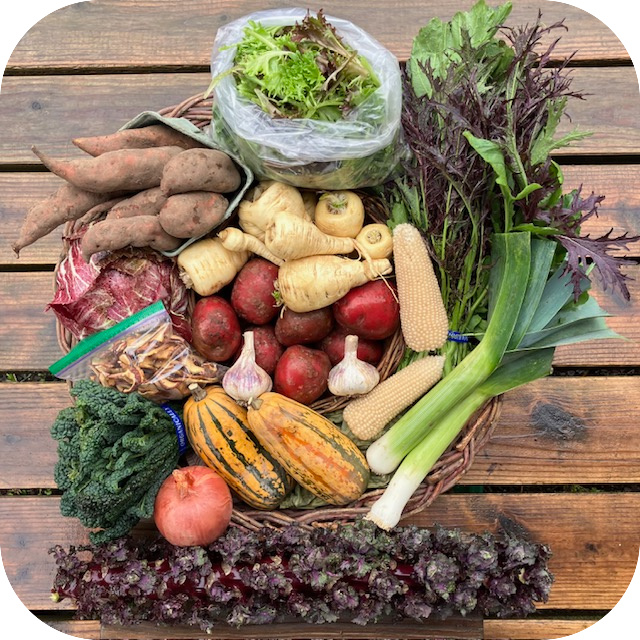
winter csa share – week 11 {april 23}

winter csa week 11

Welcome to the 11th week of the Pitchfork & Crow Winter CSA!

Here’s what’s in the share:

  • Arugula
  • Hakurei Salad Turnips – slice ‘em up and eat them raw, or cook them if you have to.  And don’t forget about the greens!
  • Chard
  • Celeriac
  • Potatoes – German Butterballs!
  • Cabbage or Collard Rapini – this stuff is amazingly tasty!  Chop it all up, saute, and add to eggs or over pasta for deliciousness!
  • Leeks
  • Cauliflower
  • Green Cabbage
  • Delicata Winter Squash

A couple weeks ago I was lamenting our early spring compost buying decision and wishing things were a little greener in our propagation house.  This week I’m happy to report that things are looking up.  We transplanted our first lettuce starts this past week and are set to continue the transplanting in the coming days thanks to this sunny weather.  Bok choy, broccoli, cabbage, kale, peas, chard, and beets are all headed into the field very soon.

in the prop house2

Our plan hinges on multiple successions of most crops and because we rely on transplants for most things, we’ve been spending a lot of time sowing seeds in the prop. house.  This leaves a big chunk of time for reflection.  Somewhere between thinking about efficiency and speed my mind inevitably turns to the seed at hand.

We purchase seed from a dozen or so seed companies.  The list includes local favorites and larger companies and the seeds range from open-pollinated heirlooms grown right here in the Willamette Valley to hybrids grown in Holland.  Of course we don’t knowingly grow any GMO seed and we purchase organically grown varieties whenever possible.  That said, there are a lot of choices out there.  Like many decisions we make as farmers, we think about which varieties work well in our system and on our farm.  We think about which varieties we like to eat and which we like to grow.  These choices will rarely be the same from one farm to another, though it’s been my experience that farmers like to chat about varieties quite a bit.

kale2

When I’m in the prop. house sowing seeds into flats and dreaming of future veggies, I’m also mentally reviewing our choices.  I unconsciously smile when we sow seeds from some seed companies who I’ve met folks from personally.  We know some true seed stewards and are happy to support them whenever possible.  I tend to question our choice when sowing seed from larger, distant seed companies.  The origin of the seed is often vague when purchased from larger companies and it often ends up in the rotation due to few alternatives or for some specific trait such as cold-hardiness for instance.

We’re lucky to live in a location where so much specialty seed is grown.  Having quality seed available that is adapted to our climate is a very lucky thing.  This week we’ll be sowing our winter squash and melon seeds for transplanting next month.  These are big plantings for us and it’s fun to see so many different seed varieties from so many seed companies represented.  The genetics in those small seeds is astounding too.  We’re already looking forward to the sweet summer melons and the fall squash!

Enjoy the vegetables and we’ll see you in two weeks!

Your farmers,
Jeff Bramlett and Carri Heisler
.

Here are a few recipes to get you inspired:

Arugula Pesto

  • 1/2 cup (2 oz/60 g) walnut pieces
  • 1 garlic clove, minced
  • 2 cups (2 oz/60 g) packed arugula leaves
  • 1/2 cup (2 oz/60 g) freshly grated Parmesan cheese
  • Kosher salt
  • 1 cup (8 fl oz/250 ml) extra-virgin olive oil
In a food processor, combine the walnuts, garlic, arugula, Parmesan, and 1 tsp salt and pulse to blend. With the machine running, pour in the olive oil through the food tube in a slow, steady stream and process until smooth, stopping to scrape down the sides of the bowl as needed. Taste and adjust the seasonings.
From Epicurious via Epicurious by Max Sussman and Eli Sussman, http://www.epicurious.com/recipes/food/views/Arugula-Pesto-51116200
.

Smoked-Turkey Tea Sandwiches with Arugula Mayonnaise

  • 1/2 cup mayonnaise
  • 1/3 cup (packed) coarsely chopped arugula leaves plus 30 whole arugula leaves (about 4 large bunches total)
  • 1 tablespoon minced shallot
  • 1 tablespoon chopped fresh parsley
  • 1/2 teaspoon grated lemon peel
  • 12 thin slices firm white sandwich bread, crusts trimmed
  • 10 ounces thinly sliced smoked turkey

Mix mayonnaise, chopped arugula, shallot, parsley and lemon peel in small bowl. Season with salt and pepper. Place bread slices on work surface. Spread mayonnaise mixture on each slice, dividing equally. Top 6 bread slices with turkey, dividing equally. Place 5 arugula leaves atop turkey on each. Top with remaining 6 bread slices, mayonnaise side down, pressing to adhere. Cut each sandwich diagonally into quarters

.

Double Celery and Potato Soup

  • 2 tablespoons (1/4 stick) butter
  • 1 tablespoon olive oil
  • 2 large leeks (white and pale green parts only), thinly sliced (about 2 cups)
  • 1 large onion, chopped
  • 2 medium-size Yukon Gold potatoes (about 12 ounces), peeled, cut into 1-inch cubes
  • 2 medium celery roots (celeriac; about 1 1/2 pounds total), peeled, cut into 1/2-inch cubes
  • 2 large fresh thyme sprigs
  • 1 bay leaf
  • 8 cups low-salt chicken broth
  • 5 celery stalks with leaves, stalks thinly sliced, leaves reserved
  • 1/3 cup whipping cream

Melt butter with oil in heavy large pot over medium heat. Add leeks and onion and sauté until almost tender, about 10 minutes. Stir in potatoes, celery roots, thyme, and bay leaf. Add broth and bring to boil. Reduce heat, cover, and simmer until vegetables are tender, about 40 minutes. Add celery stalks and simmer until all vegetables are very tender, about 12 minutes longer. Cool slightly.

Using handheld blender, puree soup in pot. Stir cream into soup. Season to taste with salt and pepper. (Can be prepared 1 day ahead. Cover and chill celery leaves. Cool soup slightly. Chill uncovered until cold, then cover and keep chilled. Rewarm soup over medium heat before serving.) Ladle soup into bowls. Garnish with reserved celery leaves and serve.

April 23, 2013 at 8:36 am 1 comment

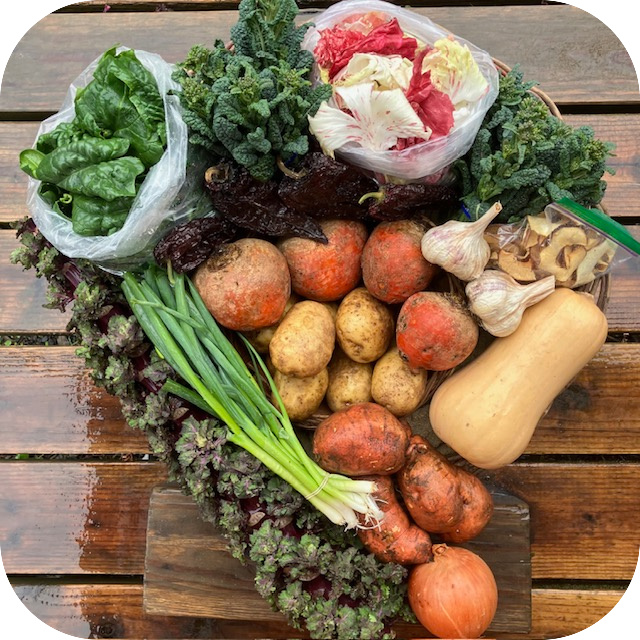
winter csa share – week 10 {april 9}

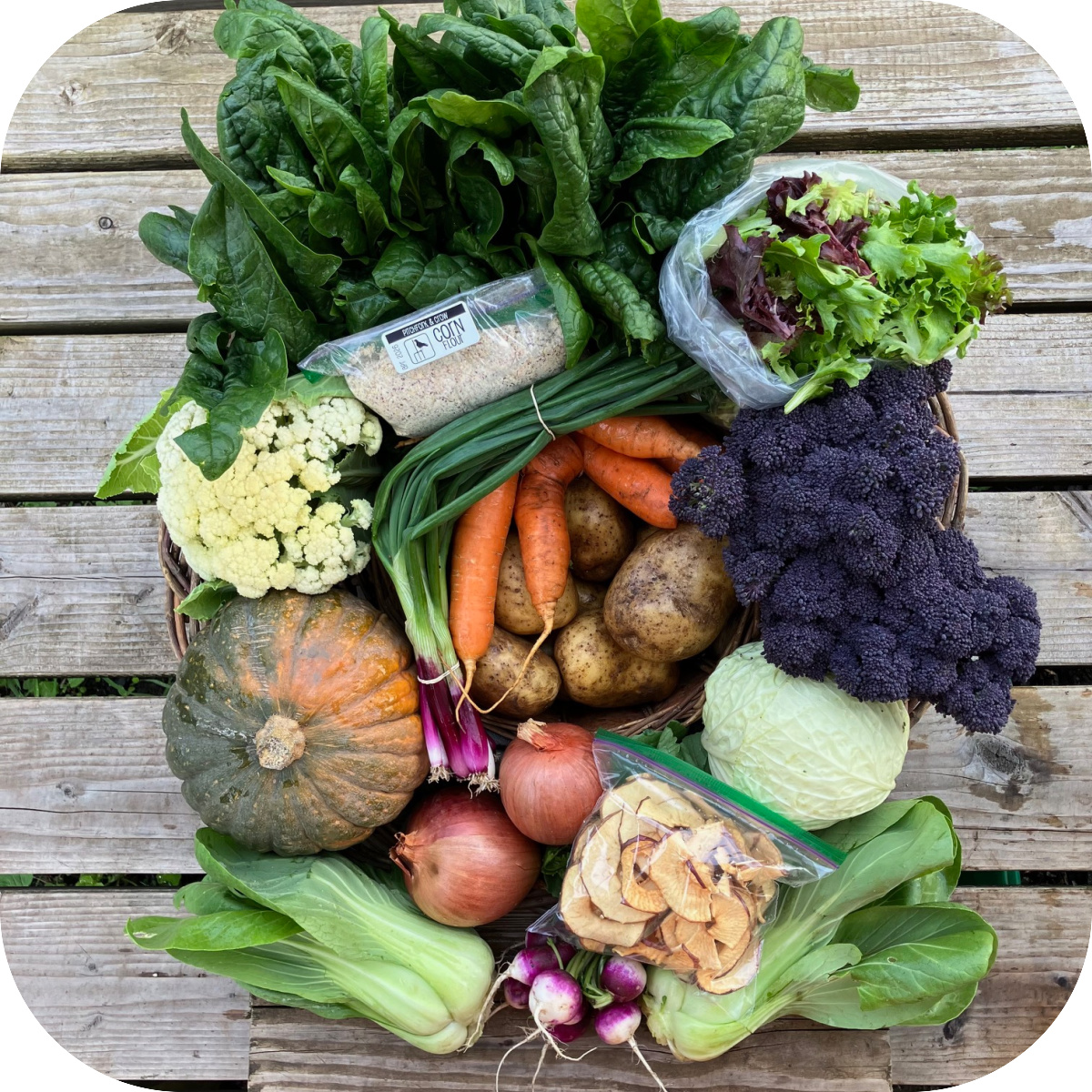
winter csa share week 10

Welcome to the 10th week of the Pitchfork & Crow Winter CSA!

Here’s what’s in the share:

  • Spinach
  • French Breakfast & Pink Beauty Radishes!
  • Red Ursa Kale
  • Potatoes – Fingerlings!
  • Cabbage Rapini – this stuff is amazingly tasty!  Chop it all up, saute, and add to eggs or over pasta for deliciousness!
  • Spring Bunching Onions
  • Purple Sprouting Broccoli
  • Delicata Winter Squash

A few weeks back I took a call from a graduate student at OSU who is attempting to re-define success on small farms.  As with any small business, success on the farm is often determined by monetary standards.  What is the annual gross income of the business?  Is the annual gross income growing year over year?  When we looked for funding to buy the farm these are certainly the factors the banks and FSA were interested in.  This student thinks there may be more to success on a small farm than income numbers and I tend to agree.

Some of the questions asked during the interview had to do with community and how our farm defines and interacts with the community.  I found myself stating the obvious facts that our farm is based on direct-to-consumer marketing and wouldn’t be successful without the support of our eating community.  I spoke about our CSA program being the backbone of our farm and that support we receive from CSA members is greater than the payments we receive.  I also mentioned friendships that have developed between CSA members who met at on-farm potlucks and others who have kids in school or sports together and find another opportunity to chat at CSA pick-ups.  As you guys know, there really is community in this CSA model.

april landscapes shadow

Though the weather has been much more forgiving thus far this spring compared to the past couple of years, we’ve gotten off to a rocky start.  We made a decision in February to purchase a bulk load of dairy manure-based compost for the soil mix we use to start seeds.  After a month plus of poor germination, re-sowing seeds, buying more seed, altering the ratio of our potting mix, blaming the cold weather, and generally having little success willing plants into existence, we finally purchased some new non-manure-based compost.  Now that we’ve re-sown everything from the past month we have near 100% germination rates across the board!

In general this is a good thing!  We’re going to catch up on the season.  Our spring germination rates are better than ever, now that things are actually growing.  We’re experimenting with sowing some crops directly into the field, like broccoli and cabbage, which we usually transplant out.  We’re learning invaluable lessons about timing and input purchases and yet we haven’t sabotaged the entire growing season.  All positive things!  The downside is that we waited long enough to correct course that we’ve lost the majority of our onion seedlings.

Onions are time sensitive and can’t get a late start and still be expected to bulb up nicely.  Upon realizing our situation we contacted our good friend Naomi of Naomi’s Organic Farm Supply in Portland inquiring after any leads on organic onion transplant sources.  She, being amazing, quickly set us up with 60 flats of healthy onions and leeks, replacing those we’d lost.  We owe her our entire allium season!

early april collage shadow

The last two weeks I’ve been thinking quite a bit about the community we’ve joined as farmers.  We’re lucky to be surrounded by a fabulous group of farmers and farm store owners!  We’ve chatted and visited with farmer friends about their germination rates, propagation situations, and potting soil mixes.  We’ve gotten advice from more experienced folks and commiserated with all of them.

Farming is a risky business.  There is no handbook or set of rules that will ensure success, no matter how you define it.  We’ve been reminded that we owe our community of eaters and our community of fellow farmers a little more credit for any success we have this year!

double rainbow shadow

Enjoy the vegetables and we’ll see you in two weeks!

Your farmers,
Jeff Bramlett and Carri Heisler
.

Here are a few recipes to get you inspired:

Spinach, Radish Slaw, with Crispy Chiles and Pepitas

  • 2 tablespoons Sherry wine vinegar
  • 2 tablespoons apple cider vinegar
  • 1 teaspoon Dijon mustard
  • 6 tablespoons extra-virgin olive oil
  • 6 dried Anaheim or dried New Mexico chiles,* stemmed
  • Canola oil
  • 2/3 cup shelled raw pepitas (pumpkin seeds)
  • 4 9-ounce bags spinach leaves (not baby spinach)
  • 2 10-ounce bunches large red radishes, trimmed
  • 4 ounces Cotija cheese or feta cheese, crumbled

Whisk both vinegars and mustard in small bowl. Gradually whisk in olive oil. Season to taste with salt and pepper. DO AHEAD: Dressing can be made 1 day ahead. Cover and refrigerate. Bring to room temperature before using.

Cut chiles in half lengthwise; discard seeds. Using scissors, cut chiles crosswise into 1/4-inch strips. Pour enough canola oil into large skillet to reach depth of about 1/8 inch; heat over medium-high heat. Add chiles and fry until beginning to crisp, about 45 seconds. Using slotted spoon, transfer to paper towels to drain. Add pepitas to same skillet and fry until golden brown and crisp, 1 to 2 minutes. Transfer to another set of paper towels to drain. Sprinkle chiles and pepitas with salt. Cool completely. DO AHEAD: Can be made 1 day ahead. Store airtight at room temperature.

Line 1 large bowl and 1 small bowl with paper towels. Working in batches, stack spinach leaves into piles and cut crosswise into 1/4-inch-thick strips. Transfer to prepared large bowl.

Using grating disk on processor, grate radishes. Place in strainer set over another bowl; drain 15 minutes. Transfer to small bowl lined with paper towels. DO AHEAD: Can be made 8 hours ahead. Cover; chill.

Place spinach, radishes, chiles, pepitas, and cheese in very large bowl. Toss with dressing. Season with salt and pepper.

* Available at some supermarkets and at specialty foods stores and Latin markets.

From Epicurous via Bon Appétit, http://www.epicurious.com/recipes/food/views/Spinach-Radish-Slaw-with-Crispy-Chiles-and-Pepitas-350816

.

Open-Face Butter and Radish Sandwiches

  • 2 1/2 bunches radishes, trimmed
  • Unsalted butter, room temperature
  • 20 1/4-inch-thick diagonal slices baguette
  • Maldon sea salt or coarse kosher salt

Place radishes in medium bowl of ice water and chill at least 30 minutes and up to 2 hours. Drain radishes and slice thinly.

Spread butter generously over baguette slices and sprinkle lightly with sea salt or coarse kosher salt. Arrange radish slices atop buttered baguette slices and serve.

From Epicurous via Bon Appétit, http://www.epicurious.com/recipes/food/views/Open-Face-Butter-and-Radish-Sandwiches-241634

.

Smoked Sausage, Kale, and Potato Soup

  • 4 ounces smoked fully cooked sausage (such as kielbasa or hot links), sliced into rounds
  • 2 3/4 cups canned low-salt chicken broth
  • 3/4 pound small red-skinned potatoes, thinly sliced
  • 1 cup dry white wine
  • 5 cups thinly sliced trimmed kale leaves (about 3/4 of medium bunch) or 3/4 of 10-ounce package frozen chopped kale, thawed, drained
  • 1/4 teaspoon caraway seeds, lightly crushed

Sauté sausage slices in heavy medium saucepan over medium-high heat until beginning to brown, about 3 minutes. Add chicken broth, sliced potatoes and white wine and bring mixture to boil. Reduce heat to medium, cover and simmer until potatoes are almost tender, about 10 minutes.

Add kale and caraway seeds to soup. Simmer soup uncovered until potatoes and kale are very tender, about 10 minutes longer. Season soup to taste with salt and pepper. Ladle soup into bowls and serve immediately.

From Epicurous via Bon Appétit, http://www.epicurious.com/recipes/food/views/Smoked-Sausage-Kale-and-Potato-Soup-3114

April 9, 2013 at 10:55 am Leave a comment

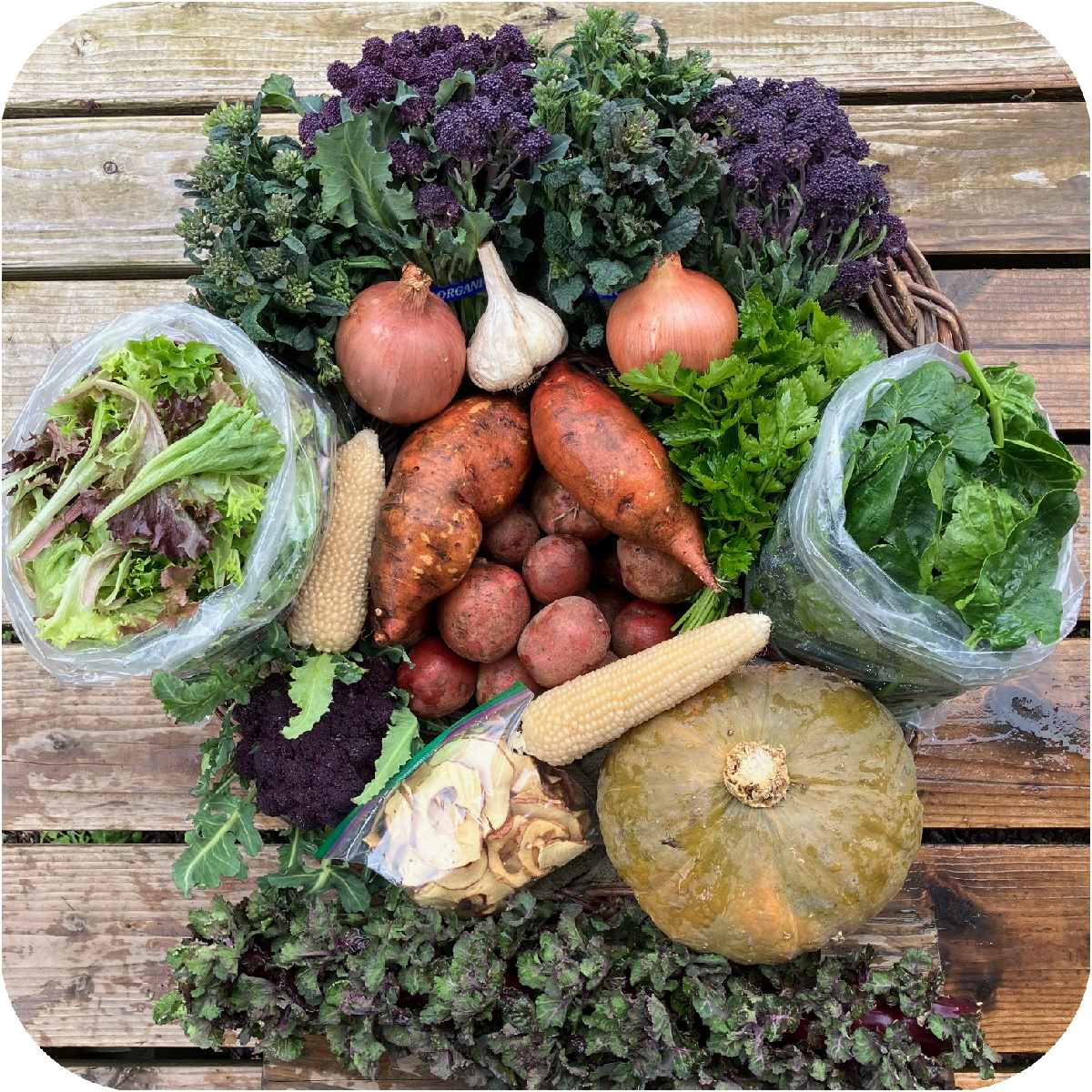
winter csa share – week 9 {march 26}

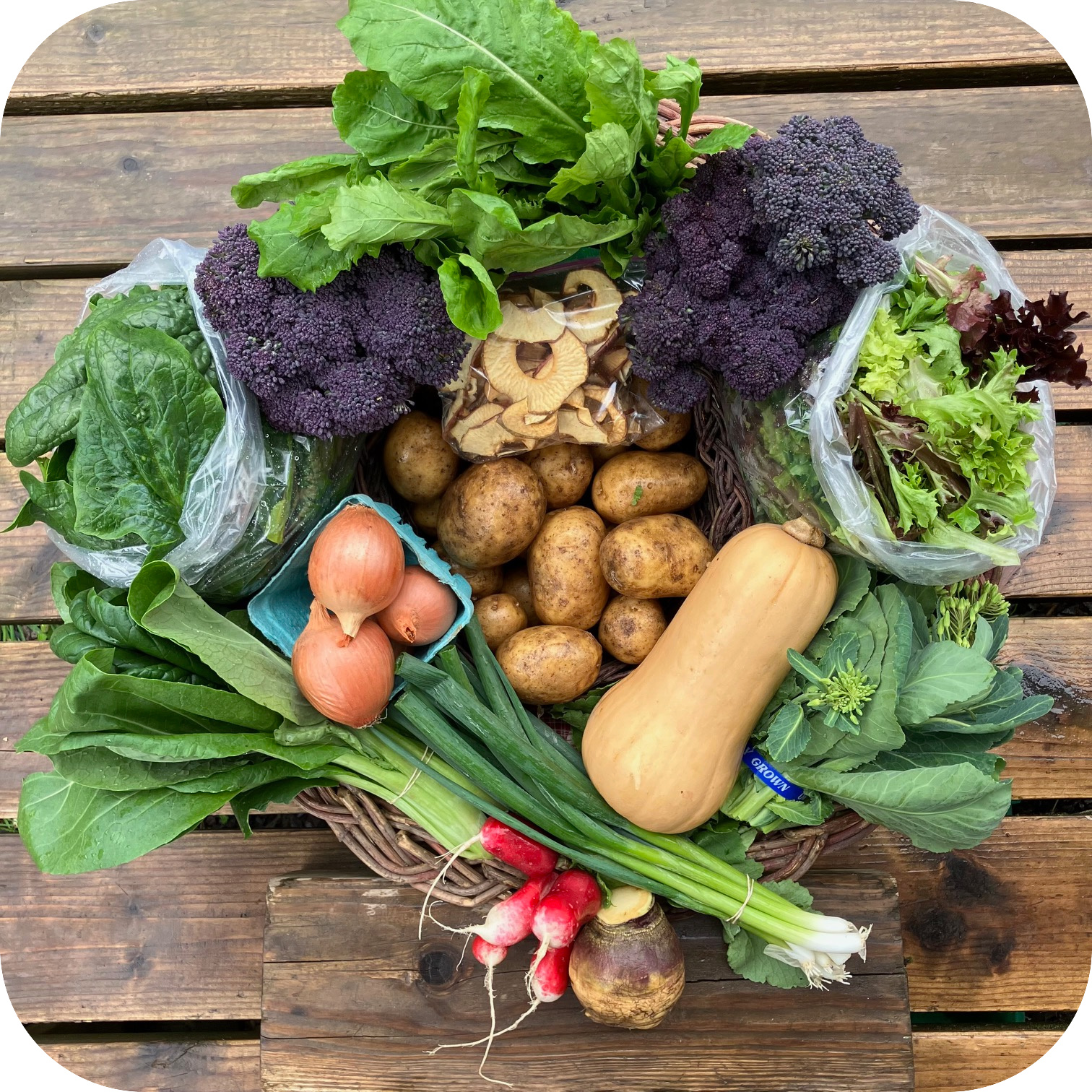
winter share week 9

Welcome to the 9th week of the Pitchfork & Crow Winter CSA!

Here’s what’s in the share:

  • Rutabaga
  • Savoy Cabbage
  • French Breakfast Radishes!
  • Carrots – ah winter carrots: best for cooking!
  • Leeks
  • Potatoes – German Butterballs!
  • Cabbage Rapini – this stuff is amazingly tasty!  Chop, saute, and add to eggs or over pasta for deliciousness!
  • Yellow Onions
  • Purple Sprouting Broccoli
  • Butternut Winter Squash

With the arrival of the vernal equinox last week we officially made the transition into spring.  As we march towards the summer solstice I’m happy to know that the days will  be getting longer and longer.  We’ve made it through another dark winter and it’s time to welcome the light.

We can’t help but feel cautious though.  The harshness of the last two years is still fresh for us and we’re hesitant to enjoy the recent dry spells too much.  We know that any day the real spring rains might show up, and not stop until mid-June.

As we ramp up towards summer production we find ourselves discussing timing a lot.  Is it too wet to break ground?  Too cold to direct sow peas?  When should we spread lime?  And then we discuss prioritization.  Should we weed the radishes or sow more spinach?  Should we inventory and standardize the irrigation pipe or disc the fields we need for future plantings?  The weather often aids with answering these questions.  Consecutive dry days get us closer to working the ground.  Stormy days send us under cover, if possible, to sow seeds in the propagation house.

Luckily there are some hard dates on our calendar to guide our decision making.  We’re headed to the Salem Saturday Market on April 6th.  The summer CSA begins May 21st.  These dates tend to provide just enough pressure to keep us from getting too overwhelmed with things while also continuing to mark things off the to-do list.

late march

Of course nature advances at its own pace and we do what we can to follow along.  The plum trees are in full bloom and the pears and apples aren’t too far behind.  The overwintered brassicas (cabbages, kales, collards etc.) are sending up tasty rapini shoots that we can’t get enough of but know won’t last forever.  The garlic is growing, growing, growing!  These plants all know spring is here and it’s time to come out of hibernation!

This past week we finally finished erecting and covering our newest field house.  Jeff was a trooper in constructing it and it’s very nice to have that project completed.  As you can see below, covering the frame was quite an adventure and we’re happy to say no one was injured and the giant piece of plastic did not fly away!   In a couple short months it will be planted full of various types of tomatoes!

greenhouse complete

The glimpses of spring here at the farm give us hope.  As we get back into the groove of sowing seeds, working ground, transplanting starts, eventually irrigating and continual harvesting, those signs of growth remind us that the warm days of summer aren’t too far off.

Enjoy the vegetables and we’ll see you in two weeks!

Your farmers,
Jeff Bramlett and Carri Heisler
.

Here are a few recipes to get you inspired:

Eggs, Greens, and some Beans

1 can of butter beans
2 Tbsp. of freshly chopped tarragon
2 tsp. of olive oil or tea seed oil
4 eggs
2 handfuls of rapini, chopped
~ salt and pepper to taste

  1. open up can of beans, drain and give a little rinse, drain again
  2. heat a small pan with enough water to blanch the rapini, I like to add some salt to the water
  3. Meanwhile, heat a small skillet over medium heat with 1 tsp of oil, add the beans and tarragon and saute until warmed through.
  4. Fry your eggs however you like them. I prefer mine over easy with a little salt and pepper
  5. Add rapini to boiling water and cook for 1-1½ minutes, remove from water and place on plate
  6. divide beans, rapini and eggs evenly between two plates and enjoy!
  7. Oh, I like mine drizzled with some hot sauce

From Culinate via Quinn Losselyong, http://www.culinate.com/user/teaisfun/recipes/on_the_cheap_eats/eggs_greens_and_some_beans

.

Rutabagas with Caramelized Onions

8 tablespoons (1 stick) butter
1 3/4 pounds onions, halved, thinly sliced
2 1/4 pounds rutabagas, peeled, cut into 1/2- to 3/4-inch pieces
2 tablespoons honey

Melt 5 tablespoons butter in heavy large skillet over medium-low heat. Add onions and sauté until brown, 40 minutes.

Meanwhile, cook rutabagas in large pot of boiling salted water until tender, about 20 minutes. Drain well.

Melt 3 tablespoons butter in large skillet over medium-low heat. Add rutabagas; sauté until heated through, about 10 minutes. Drizzle honey over. Gently stir in onions. Season with salt and pepper. (Can be made 3 hours ahead. Let stand at room temperature. Rewarm over medium-low heat.)

From Epicurious, via Bon Appétit, http://www.epicurious.com/recipes/food/views/Rutabagas-with-Caramelized-Onions-4677
.

Cider Glazed Roasted Root Vegetable Stew

1 Cup Yukon Potatoes, peeled and diced into 1/2 inch cubes
1 Cup Parsnips, peeled and sliced 1/2 inch thick
1 Cup Carrots, peeled and sliced 1/2 inch thick
1 Large Leek, cleaned thoroughly and sliced thinly into half-moons
1 Cup Sweet Potatoes, peeled and diced into 1/2 inch cubes
1 Cup Rutabagas, peeled and diced into 1/2 inch cubes
1 Head of Garlic
1 Cup Apple Cider
3 Tablespoon Vegetable Oil
2 Tablespoons Butter, unsalted
4 Cups Vegetable or Chicken Stock, or Water
2 Bay Leaves
1 Tablespoon Fresh Chopped Thyme
1 Tablespoon Fresh Chopped Sage
Salt and Pepper, to taste

*Also throw in winter squash, Brussels sprouts, or other such veggies you have lurking about.

Preheat oven to 400 degrees. Cut off the top third of the head of garlic. Sprinkle a little oil on top of the exposed cut and loosely wrap the garlic in foil. Place garlic in oven to roast.

In a large bowl, toss the potatoes, sweet potatoes, parsnips, carrots, and rutabagas with 3 tablespoons of oil. Spread the vegetables evenly onto a cookie sheet and place in oven. Roast for approximately 15 minutes.

In a large, heavy pot, melt the butter. Add the leeks and saute for about 3 minutes. Add the roasted root vegetables and apple cider. Continue to cook until cider has reduced by half.

Add the stock or water, thyme, bay leaves, and sage. Bring to a boil, reduce to a simmer, and cook for another 10 minutes.

Remove garlic from oven. Garlic should be soft and aromatic. Squeeze the garlic from the bulbs into a small bowl. Mash the garlic well with a fork. Stir the roasted garlic into the stew.

Season stew with salt and pepper. Serve hot.

From About.com via Brett Moore, http://gourmetfood.about.com/od/appetizers/r/roastvegstew.htm

March 26, 2013 at 1:48 pm Leave a comment

Older Posts


.

Mailing List

E-mail us to join our mailing list for weekly updates on what's at market!

Enter your email address to subscribe to this blog and receive notifications of new posts by email.

Join 73 other followers

Photos

(Untitled)

(Untitled)

(Untitled)

More Photos

Archives

wordpress visitor counter

Follow

Get every new post delivered to your Inbox.

Join 73 other followers